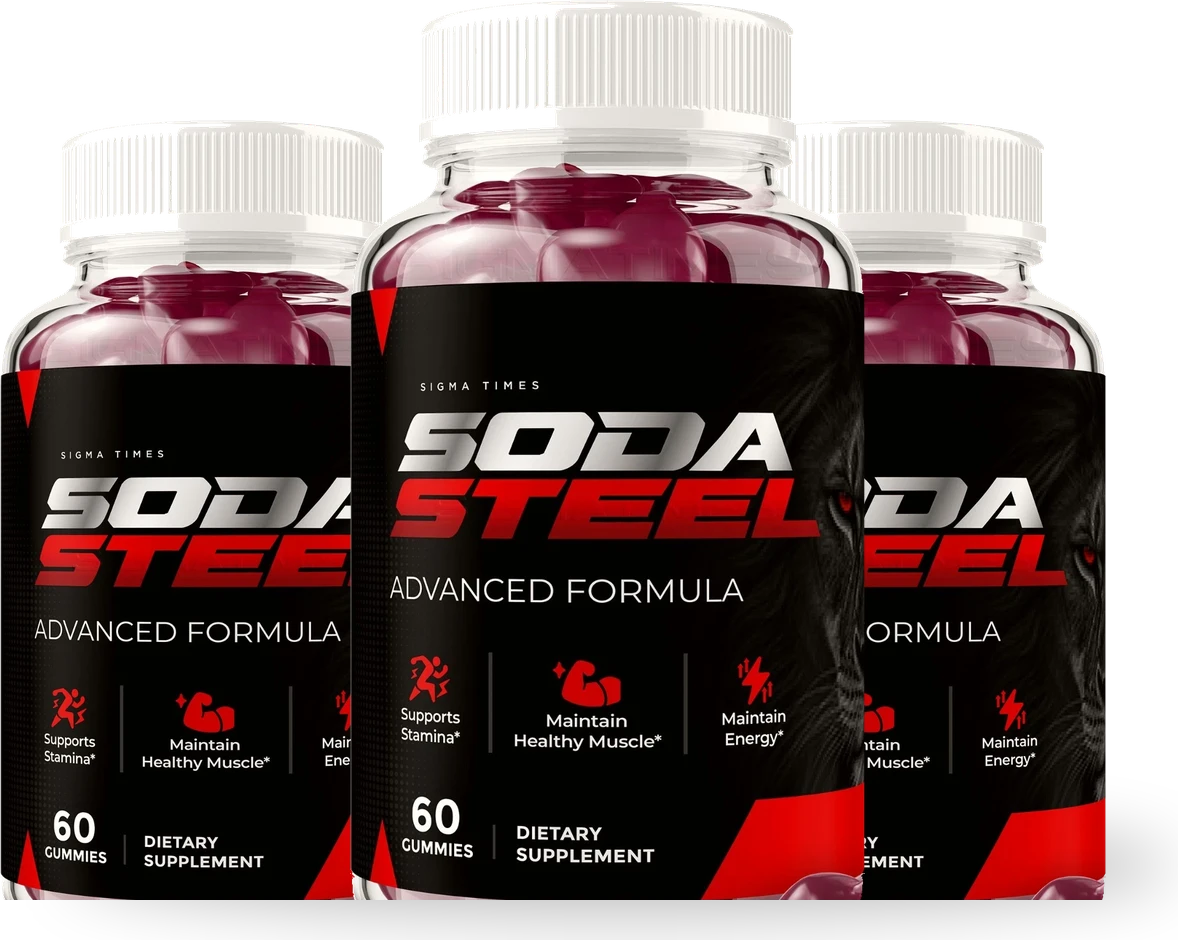
A good morning does not need an alarm set for dawn or a long list of tasks. It needs a few dependable anchors that you reach in the same order most days. This guide lays out a gentle template: light, water, movement, breakfast and a moment to plan. Soda Steel, a daily vitality support gummy, can be one of those anchors, sitting beside the habits you already enjoy.
Begin with light and a slow start
Before reaching for the phone, open a window or step onto the porch for a minute. Natural light is a simple cue that the day has begun, and a slow first minute keeps the morning from feeling like a sprint.
If you share your home with family, agree on a quiet first ten minutes. Many households find that a calm start sets the tone for everyone, from the early riser who tends the garden to the grandchild who needs a gentle wake-up.
On weekends, you can stretch the same pattern a little longer. Add a second cup, linger over the paper and let the sequence feel generous rather than hurried. Keeping the same order on slower days means Monday morning feels familiar instead of abrupt.
Choose three anchors and keep them
Long routines collapse quickly. Three anchors survive almost every kind of day, so pick a small set and protect it. A sample trio might look like this:
Write your anchors on a card and tape it inside a kitchen cabinet. After a couple of weeks you will probably stop reading it, which is the sign the routine is working. If a day goes sideways, keep just one anchor, such as the water, and pick the rest back up tomorrow without any fuss.
- A glass of water by the kitchen sink
- Ten minutes of walking or stretching
- Breakfast eaten at the table, not over the sink
- Your daily gummy, taken as directed on the bottle label
Let breakfast be steady, not fancy
A morning meal does not need to be elaborate. Think of a plate that mixes color and texture: fruit, whole grains, something creamy, a handful of nuts. The Dietary Guidelines for Americans describe the kinds of foods that make up a varied pattern, and you can browse them for ideas that suit your taste.
Prepping the night before helps. Overnight oats in a jar, sliced fruit in the refrigerator or a loaf of seeded bread on the counter all remove decisions from the morning, which is when you least want to make them.
Add movement you actually like
Morning movement works best when it feels like part of the day rather than a chore. A loop around the block, a few stretches beside the bed or ten minutes tending tomato plants all count as time on your feet.
The CDC physical activity basics page gives a general picture of how adults can fit regular activity into a week. Use it as a reference, then choose the version that feels pleasant. For more ideas, see morning walk habits.
If mornings are tight, split movement into two short pieces: five minutes of stretching on waking and five minutes of walking after breakfast. Small segments are easy to fit around a school run, a dog, or a call with a friend.
Where Soda Steel fits
Soda Steel comes as a gummy with a black and red label, and it is meant to be one steady part of a daily routine. Many people tie it to breakfast because the cue is already there. Follow the directions printed on the bottle label and let the gummy become as ordinary as pouring your coffee.
If you are curious about the details, read Soda Steel explained or compare the pack options. Whenever you are ready, you can order Soda Steel today, with a 60-day money-back guarantee behind your decision.
It is also handy to keep the bottle where your hand naturally goes at that moment, and to return it to the same spot every time. The tidier the setup, the less thought the habit takes, and the more mental room you keep for the rest of the day.
Plan the day in two minutes
End the routine with a short planning moment. Write down the top three things you want to do, glance at the weather and decide when you will take your walk. A small paper planner on the kitchen table works well, and our guide to a weekly wellness planner shows a simple layout.
Two minutes of planning gives the morning a clear finish line. You move into the day with a sense of direction, and the routine closes the same way each time, which is exactly what helps a habit hold.
Some people prefer to plan the night before and keep the morning screen-free. Try both for a week and keep whichever feels calmer. The point is a deliberate, brief moment of direction, not a long list.